Table of contents
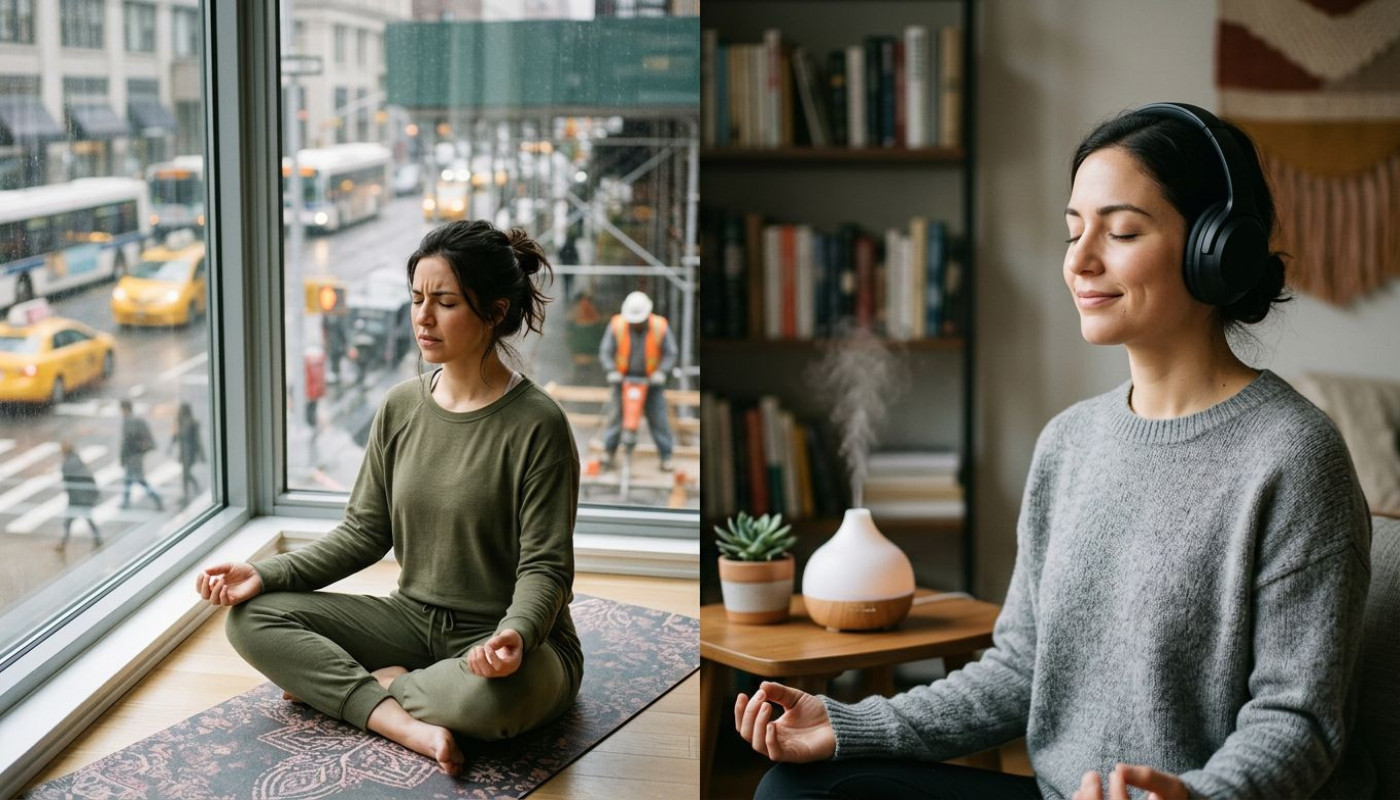
Urban life pulses with energy, but the constant hum of city noise makes it challenging to find moments of true inner peace. As meditation gains popularity for stress relief and mental clarity, many discover that the relentless sounds of traffic and construction can disrupt even the most determined mindfulness practice. Explore how urban noise interferes with meditation—and how effective techniques can help reclaim a sanctuary of silence amidst the chaos.
Understanding urban noise pollution
Urban noise has become a pervasive challenge for those seeking deep meditation in cities. Environmental noise from sources such as constant traffic, public transit operations, and nightlife venues creates a continuous backdrop of sound. These elements contribute to auditory masking, a phenomenon where intrusive external sounds obscure or overpower quieter, more subtle sounds, making it significantly harder to focus inward. Among the most frequent meditation challenges in urban living is the inability to escape this persistent noise pollution, which has documented effects on cognitive clarity, emotional regulation, and the body's ability to relax. Studies have shown that the stress caused by sustained environmental noise can trigger physiological responses that heighten anxiety and break concentration, undermining efforts to attain inner peace.
As noise pollution effects on meditation deepen, individuals often find themselves struggling to achieve the restorative calm essential for mental and emotional health. The relentless presence of urban noise not only distracts but also elevates stress hormones, leaving the mind in a continual state of alertness. Addressing this, resources such as https://www.thegoodshaman.co.uk offer guidance and support for those seeking to reclaim their inner silence amidst the urban clamor. Integrating effective strategies and soundproofing solutions can help mitigate these effects, making it possible to experience true meditation even in the heart of a bustling city.
The science of disrupted focus
Urban environments are filled with unpredictable sounds that challenge meditation focus from a neurological perspective. When a sudden noise disturbance occurs, the brain response is swift: auditory stimuli are processed by the thalamus and relayed to the prefrontal cortex, the region responsible for selective attention and higher-order executive functions. This system acts as a filter, prioritizing which sensory information receives conscious awareness. As stress triggers emerge from intrusive sounds, the sympathetic nervous system activates the fight-or-flight response, flooding the body with adrenaline and cortisol. This physiological shift pulls attention away from mindful states, making it difficult to sustain deep relaxation. Mindfulness science shows that regular noise interruptions compromise neural pathways associated with sustained attention and emotional regulation, highlighting how persistent urban clatter can erode the mental clarity meditation is designed to foster.
Techniques to combat urban distractions
Urban dwellers often find city sounds interfere with deep relaxation, but environmental modification offers effective meditation tips for minimizing distractions. Soundproofing serves as a foundational urban solution, where sealing windows or using heavy curtains can buffer external noise, creating quiet spaces ideal for mindfulness. Installations such as double-glazed windows or acoustic panels can further reinforce these sanctuaries. In situations where structural changes are limited, white noise machines or calming ambient playlists mask disruptive sounds, making it easier to maintain mental focus during meditation. Guided meditations, available through numerous apps and online resources, provide structured practices that help practitioners anchor their attention amidst background city noise. These guided sessions often incorporate stress reduction techniques, such as breath awareness and body scans, which can diminish the impact of environmental disruptions on the meditative state.
Adopting lifestyle adjustments also nurtures a quieter environment conducive to inner silence. Establishing a regular practice schedule during naturally quieter times—such as early mornings or late evenings—can substantially reduce auditory interruptions. Arranging meditation spaces strategically within the home, away from windows or street-facing walls, enhances serenity. Using textiles like rugs, cushions, and wall hangings absorbs stray sounds, contributing to the overall peaceful atmosphere. Integrating these urban solutions not only supports consistent meditation practice but also promotes long-term stress reduction and well-being, transforming even the busiest city apartment into a haven for mindful reflection.
Mindfulness beyond silence
Urban mindfulness offers a practical pathway for meditation adaptation, especially in environments filled with unpredictable sounds. Rather than resisting or avoiding external noises, meditators can cultivate non-reactive awareness, a state in which city sounds are not distractions but integral elements of the present moment. By shifting perspective, mindfulness practitioners can harness these auditory stimuli as anchors for mindful awareness, observing their thoughts and physical reactions without judgment or resistance. Sound meditation emerges as a powerful modality, encouraging acceptance techniques that integrate all ambient noise—whether sirens, construction, or voices—into the meditative experience, gradually diminishing their disruptive impact.
Practices such as open-awareness meditation and guided sound meditation support this transformative approach, using the city’s unique soundscape to deepen concentration and presence. Training the mind to observe rather than react empowers individuals to develop resilience and adaptability, essential for sustaining a regular practice amidst urban chaos. This adaptation not only enhances the quality of meditation but also builds a foundation for greater equanimity and acceptance in daily life, proving that inner silence can be reclaimed even in the most vibrant and noisy settings.
Creating your urban sanctuary
Establishing a dedicated meditation space amid city living begins with choosing a location where disruptions are minimized, such as a quiet corner or a room that can be easily separated from external noise. Enhancing this space with soft furnishings, calming scents, and gentle lighting helps to signal to the mind that this is a place for intentional practice. Incorporating elements such as plants, cushions, or a small altar can create an inviting urban sanctuary that encourages frequent use and fosters a sense of inner peace. Mental preparation is equally significant; adopting a brief pre-meditation ritual, like mindful breathing or gentle stretching, can further distance the mind from the chaos of the city, priming it for stillness.
Maintaining a consistent meditation routine not only strengthens the association between the chosen meditation space and tranquility but also trains the mind to recognize this environment as a haven from urban distractions. The discipline of returning to the same spot at the same time each day amplifies the benefits, making the urban sanctuary a powerful tool for stress relief and mental clarity. Through intentional practice, individuals living in bustling environments can transform even the smallest enclave into a retreat for cultivating inner peace and resilience against external noise.
Similar

What are the causes and consequences of cramps?

What is a drone camera made of and how does it work?

3 ways to save on a small salary

The Impact of Stand Design on the Success of Exhibitions
